Creating a Native-Inspired Water Garden: Hardy Choices for a Tranquil British Plot
A practical guide to designing a pond-friendly garden with hardy pond plants, water lilies, and margin-rich borders that thrive in British climates.
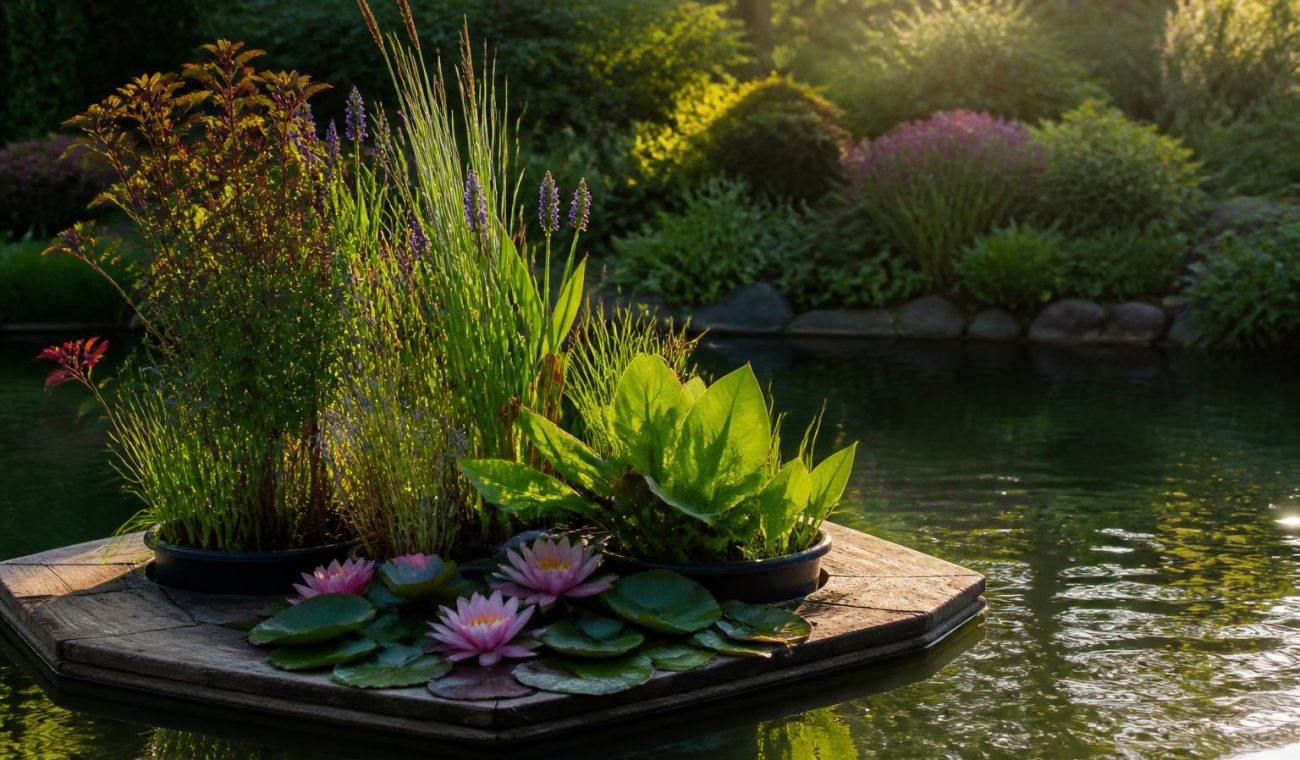
Opening Considerations for a Small Water Garden
When planning a pond, start by evaluating sun exposure, soil type, and how to integrate water features with your existing planting scheme. The right balance of shade and light will influence which pond plant varieties flourish, from water lilies to marginal pond plants. For beginners, source a trusted starter selection through reputable outlets and consider Buy Pond Plants Online to ensure healthy stock and clear guidance on care. This approach helps avoid overstocking and creates a welcoming microhabitat that mirrors natural water edges without overwhelming the space.
Next, map out the pond’s edges to define growing zones and access for maintenance. Plan shelves or ledges at varying depths to accommodate both deeper-water water lilies and shallow marginal plants, which thrive in the damp, sun-filled borders. By coordinating plant placement with seasonal color and fragrance, you establish a calm, wildlife-friendly corner that invites birds, frogs, and beneficial insects while remaining easy to manage for no-people gardeners who prefer quiet routines.
Choosing Pond Plants for a British Climate
British pond plants vary in light tolerance, so categorize them as deep-water, marginal, and bog-loving species to tailor seasons and color. Water lilies provide a dramatic focal point with broad pads creating shade for aquatic life, yet they require thoughtful spacing to avoid overcrowding. Choose hardy varieties that survive misty winters and cool summers, and combine them with robust marginal pond plants that tolerate edge conditions and fluctuating moisture levels across the growing year.
Consider plant vigor and spread, especially for marginal pond plants that edge the waterline and help filter nutrients. Slow but steady establishment is common, so choose a mix of compact varieties and moderately vigorous types to prevent overwhelming the habitat. With careful selection, your British pond plants will stabilize the water’s ecosystem, encourage pollinators, and offer continuous visual interest from spring through autumn.
Designing with Water Lilies as Focal Points
Water lilies anchor a pond’s aesthetic, offering glossy leaves and elegant blooms that rise above the surface. For best results, situate lilies in deeper pockets where roots can anchor securely and leaves can unfurl without crowding other plants. Choose a spectrum of bloom colors and sizes to extend visual interest over the season, ensuring hardy varieties will withstand late frosts and steady aquatic growth with minimal intervention.
Recognize that lilies require regular maintenance to manage nutrient balance and light penetration. Periodic repotting and deadheading spent blooms protect the plant’s vigor while preventing excessive shading of shallower margins. By keeping lilies within their preferred depth range and pairing them with healthy marginal plants, you create layered texture that reads beautifully from the pond’s edge to its center.
Marginal Pond Plants for Edge Definition
Marginal pond plants are the gardeners’ best tool for softening pond edges and creating natural transitions between water and land. Choose species that tolerate moist soil and frequent splashes, then stagger their placement along shallow shelves to form a living frame. These plants not only stabilize soil but also offer shelter for amphibians and insects that enrich the ecosystem around the water feature.
Texture and color come alive with a mix of grasses, irises, and moisture-loving perennials that thrive without heavy maintenance. When selecting, consider plant height, leaf shape, and seasonal blooms to achieve a balanced composition that remains neat and vigorous year after year. Marginal pond plants should be grouped in cohesive clusters to maximize impact and minimize pruning needs.
Maintenance Routines for a Quiet, Low-Disruption Pond
Establish a seasonal routine that centers on debris removal, nutrient management, and plant division, keeping disturbance to a minimum. Regularly skim fallen leaves and organic debris to preserve water clarity, and monitor oxygen levels during warm spells to support aquatic life. A well-timed feed is unnecessary for most setups, but a gentle top-up of minerals in spring can help sustain plant vigor without encouraging algae blooms.
Seasonal division of clumping perennials and marginal species prevents overcrowding and promotes renewed growth. Use sharp tools to lift congested clumps, replant with fresh substrate, and mulch to maintain moisture. A simple, predictable schedule reduces the need for intervention, helping the garden maintain its serene character while encouraging natural ecological balance without constant human input.
Integrating Fragrance, Color, and Wildlife Interest
Think beyond color alone by incorporating fragrant blooms and bees-attracting nectar sources around the pond. Choose water-loving species that offer gentle scents and bright, long-lasting flowers for late spring and summer viewing. Their presence invites a quiet, contemplative mood and supports pollinators, while the plants’ textures create tactile interest near the water’s edge.
Introduce wildlife-friendly features such as shallow shelves for wading birds and microhabitats within boggy corners for amphibians. By selecting native or well-adapted varieties, you reinforce a healthy ecological loop that benefits both the garden and its inhabitants. A carefully composed mix of foliage, bloom, and scent yields a tranquil, year-round focal point that remains inviting without requiring constant attention.
Texture and Depth with a Small Subsection
- Layered plantings create depth along the pond edge using tall grasses and mid-height irises.
- Low groundcovers improve soil stability and soften borders with evergreen structure.
Keep reading
 Home
Home
A Practical Guide to Beautiful Home Gardens: From Interior Rooms to Outdoor Oases
 Real Estate
Navigating Real Estate: Practical Strategies for Homebuyers and Investors in a Shifting Housing Market
 Education