Designing Better Learning Environments: A Practical Guide for Educators and Designers
A practical guide for educators and designers that blends design criticism with actionable strategies for creating engaging, technology-enhanced learning spaces.

Foundations: why design criticism matters in education
In contemporary education, design criticism helps educators translate space and material choices into measurable learning outcomes. By examining how classrooms feel, flow, and function, teachers can align pedagogy with environment, ensuring that students remain curious and engaged throughout lessons. This approach values thoughtful critique as a tool for continuous improvement, rather than a judgmental exercise that stifles creativity. For ongoing success, schools should encourage reflective practice among teachers, facilities staff, and administrators alike by sharing insights and documenting results in a living journal. mental wellness platform offers a practical example of how reflective practice can support both learners and designers as they fine-tune spaces over time.
Design criticism in education extends beyond aesthetics to consider acoustics, light, and circulation, all of which influence attention and collaboration. When architects and teachers collaborate, they create environments that scaffold inquiry, reduce cognitive load, and improve retention. Critics can serve as bridges between theory and fieldwork, translating research into actionable changes on a campus. Schools can cultivate a culture of documentation, feedback, and iteration to ensure spaces evolve with evolving teaching methods and student needs.
Sectioning as pedagogy: spatial planning that supports inquiry
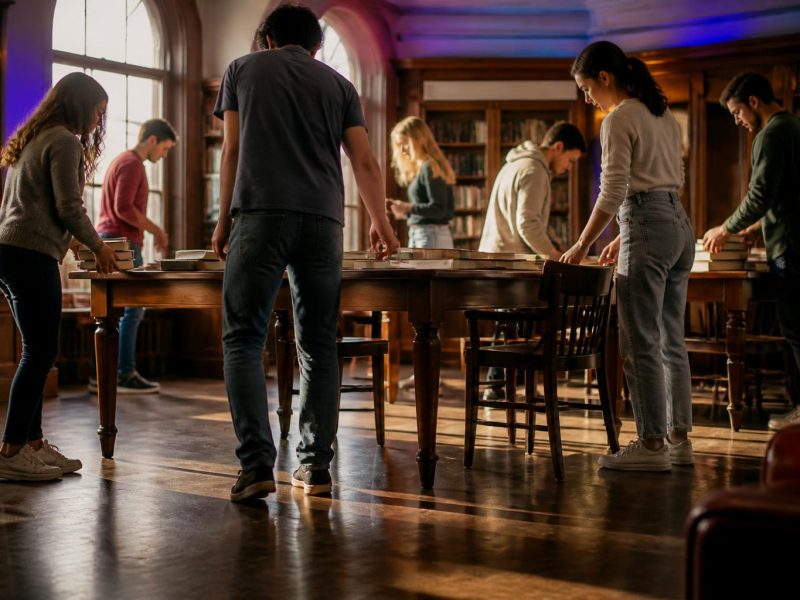
Spatial planning that privileges inquiry allows students to move between individual work, small groups, and whole-class discussions without losing momentum. Thoughtful zoning—quiet zones for reading, collaborative nooks for problem-solving, and flexible open areas for demonstrations—helps manage attention, reduce distractions, and promote autonomy. In practice, this means selecting modular furniture that can be reconfigured for different activities and aligning technology access with the ebb and flow of a lesson. Teachers and designers should monitor how changes affect engagement, and adjust layouts using simple, repeatable evaluation methods.
Beyond furniture, circulation patterns determine how ideas travel through a space. Clear sightlines, accessible power outlets, and intuitive wayfinding reduce cognitive load, enabling students to focus on learning rather than logistics. Architects and critics alike benefit from observational methods that track how often students pause to orient themselves, how movement correlates with collaboration, and where bottlenecks occur. Documenting these observations builds a practical archive that informs future renovations and classroom rotations.
Technology integration: tools that amplify rather than distract
Technology, when thoughtfully integrated, amplifies pedagogy by giving students new ways to demonstrate understanding and collaborate. Interactive whiteboards, accessible devices, and cloud-based platforms should be chosen for reliability, accessibility, and alignment with learning objectives. Critics of technology emphasize purpose over novelty, advocating for a clear rationale and measurable outcomes. A practical guide to tech adoption includes trial runs, professional development, and ongoing assessment to ensure devices support and do not overwhelm learners.
For architects and educators, technology choices must accommodate diverse learners and differencing needs, including learners with disabilities. Design decisions should consider screen ergonomics, glare reduction, and accessible interfaces to maintain inclusive learning experiences. In practice, school leaders can pair technology audits with student feedback, ensuring that tools feel empowering rather than isolating. When done well, technology becomes an extension of the teacher’s pedagogy rather than a separate layer of complexity.
Assessment and feedback: closing the loop with reflective practice
Assessment in design-rich classrooms should mirror its academic counterpart by providing timely, actionable feedback about the learning environment itself. Teachers can gather evidence through short, structured observations and student surveys to determine which spatial configurations support or hinder outcomes. Critics can synthesize this data into practical recommendations, prioritizing changes that yield the largest gains in engagement, understanding, and collaboration. A journal-based approach helps teams track progress and iterate on solutions over multiple terms.
Effective feedback loops require honesty and specificity. Administrators should encourage candid conversations between designers, educators, and students about what is or isn’t working, while ensuring questions remain framed around learning goals. By documenting successes and challenges in a shared journal, schools create a living resource that guides future decisions and helps new staff understand the rationale behind established layouts and practices.
Materiality and sensory design: textures, acoustics, and light as learning aids
Material choices shape mood and cognitive load, influencing how easily students process information and stay engaged. The tactility of surfaces, the warmth of color, and the rhythm of textures can subtly guide attention and foster a sense of safety. Acoustic strategies, such as paneling and strategic plant placement, reduce noise distraction, enabling deeper focus during complex tasks. Lighting decisions—color temperature, brightness, and diffusion—affect mood and alertness, so designers should model how different schemes interact with daily rhythms and seasonal changes.
In practice, materiality should be evaluated through pilot installations and post-occupancy surveys that capture user experiences across diverse activities. Critics can translate sensory data into concrete improvements, prioritizing enhancements that support memory formation, collaboration, and autonomy. By treating materials as a code to be deciphered and refined, schools can create spaces that feel intentional, restorative, and conducive to sustained learning across subjects and age groups.
Identity and culture: designing spaces that reflect community values
Learning environments carry cultural messages that influence students’ sense of belonging and possible selves. When design critic perspectives are integrated with school values, spaces can reflect diverse histories, languages, and learning styles. This requires involving students, families, and local designers in the process, ensuring the built environment becomes a shared narrative rather than a top-down imposition. A well-documented engagement process helps preserve memory and fosters a sense of ownership that motivates sustained care for the space.
In practical terms, educators and architects should embed representation into storyboards, signage, and display cases that celebrate student work and community partners. Critics can help assess how visible the inclusive elements are and whether they translate into daily practice. A culture that honors critique, invites experimentation, and records outcomes will better weather change and maintain alignment with evolving educational goals and community needs.
Texture panels and guided tours: adding texture to the learning narrative
- Short, recurring tours for staff to discover micro-optimizations in a space
- Texture panels that explain material choices and their learning implications
Closing thoughts: nurturing resilient, adaptable learning environments
To sustain progress, schools should treat space design as an ongoing craft rather than a one-off project. A resilient approach requires ongoing collaboration among teachers, designers, and students, with a clear plan for evaluation, iteration, and documentation. By prioritizing reflective practice, institutions can respond to shifts in pedagogy, technology, and student demographics with agility and confidence. This mindset supports long-term success by reinforcing a learning culture that embraces critique as a source of growth.
Ultimately, a well-documented, critically informed design process creates environments where learners feel supported, challenged, and inspired. The practical guide outlined here emphasizes measurable goals, inclusive design, and evidence-based decisions that connect architecture, pedagogy, and technology. When educators, architects, and critics work together, learning spaces become living laboratories that cultivate curiosity, collaboration, and resilience across generations.
Keep reading
 Education
Effektives Online-Lernen: Strategien, Kurse und nachhaltiges Study-Verhalten im Bildungszeitalter
 Education
Maximizing Impact in Education: Practical Strategies for Online Learning and Course Design
 Education