A Practical Guide to Beautiful Home Gardens: From Interior Rooms to Outdoor Oases
Practical tips to blend interior comfort with garden charm, creating cohesive spaces that breathe life into every season.

Preparing Your Space: Vision, Budget, and Seasonal Timing
Creating a cohesive home garden starts with a clear vision and a realistic budget. Begin by mapping aloud how interior decor themes—neutral tones, bold accents, and textured surfaces—translate to outdoor elements like planters, paths, and water features. Consider seasonal timing to stagger plantings, allowing color to evolve from spring through autumn while minimizing maintenance demands for busy households. Buy Pond Plants Online to anchor your plan with aquatic interest that complements both interior and exterior spaces.
Assess your space for sunlight patterns, wind exposure, and soil quality, then grade areas by usage: quiet reading corners, family dining nooks, and kid-friendly lawns. A realistic plan avoids overloading small plots with too many elements. By prioritizing a few key features—like a seating area, a vertical garden, and a low-maintenance border—you’ll set a durable foundation for ongoing home improvement and gardening success.
Soil, Water, and Microclimates: Building a Healthy Base
Healthy soil is the backbone of any thriving garden, influencing moisture retention, nutrient availability, and root growth. Start with a simple soil test to determine pH and texture, then amend with compost and organic matter to improve structure. Incorporate mulch to suppress weeds, regulate moisture, and stabilize soil temperatures, a small but impactful step toward more resilient garden performance year-round.
Understanding microclimates around your home—sunny south walls, shaded courtyards, or windy corners—helps you place plants where they thrive. Watering strategies should adapt to these microclimates, using soaker hoses or drip irrigation to minimize evaporation. Consider rain barrels to conserve water, supporting both eco-friendly home improvement goals and practical gardening practices.
Plant Selection: Color, Texture, and Seasonal Interest
Choose a balanced mix of perennials, annuals, and evergreens to ensure year-round appeal. Pair bold foliage with delicate blooms, and vary leaf textures to create visual depth even when flowers are scarce. Think in layers: groundcovers, mid-height shrubs, and a canopy or vertical accent to frame spaces. This deliberate approach supports durable decor that couples interior style with outdoor living.
When selecting plants, match size and growth rate to the available space to avoid overcrowding. Favor native species where possible to reduce maintenance and support local pollinators. A few showpiece specimens—such as ornamental grasses or flowering shrubs—serve as anchors for seasonal color while sustaining an elegant, interior-inspired aesthetic outdoors.
Hardscaping: Paths, Borders, and Outdoor Rooms
Hardscaping defines flow and usability, turning a garden into an outdoor room. Plan curved or straight paths that guide movement without cutting through plantings, and use materials with tactile warmth—cobblestone, timber, or permeable pavers—to echo interior texture. A smart layout creates distinct zones for dining, lounging, and play, improving function and inviting daily use during all seasons.
Borders and edging provide clean lines that reflect interior precision in exterior space. Install edging to keep mulch in place and to prevent grass from invading flower beds, preserving the crisp, curated look reminiscent of well-designed decor. Layer plantings at varying heights along borders to soften edges and extend color beyond the walking area.
Garden Decor: Light, Texture, and Personal Touches
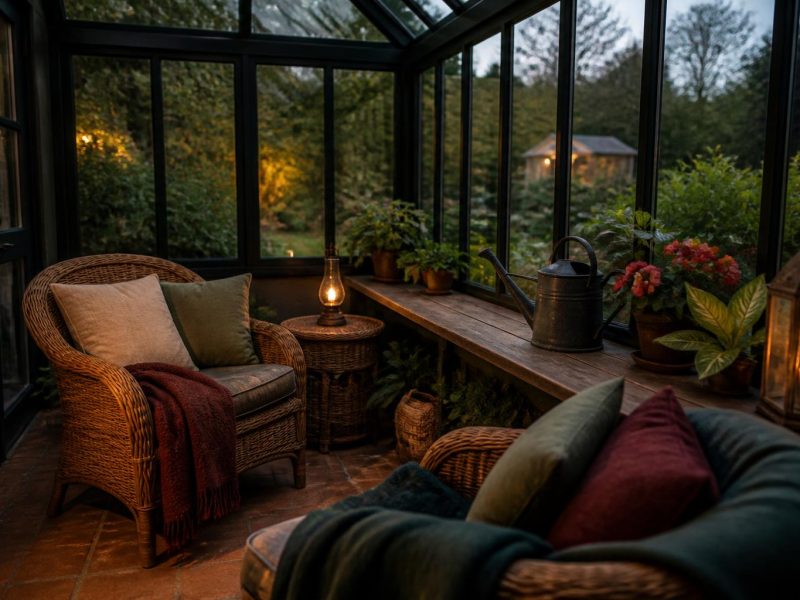
Decorative elements transform a garden from functional into inspiring, reflective of interior design sensibilities. Integrate lighting that highlights architectural focal points, such as a pergola, sculpture, or water feature, to extend usability after dusk. Use planters with sculptural forms and varied finishes to mirror furniture groups, ensuring that outdoor accents complement indoor decor harmoniously.
Texture-rich fabrics on outdoor cushions, weathered timber screens, and ceramic or metal accents add depth without clutter. Seasonal swap-outs—like garlands in winter or fresh blooms in spring—keep the space feeling curated and alive. Maintain a cohesive palette, drawing color cues from interior rooms to reinforce a unified home improvement narrative across spaces.
Maintenance Habits: Simplicity, Efficiency, and Joy
Adopt simple, repeatable routines to keep your garden thriving without overwhelming you. A weekly 20-minute walkthrough to remove dead growth, prune light, and inspect irrigation reduces problems later. Combine tasks where possible, like weeding with mulching, to maximize impact in minimal time while preserving the garden’s tidy, decor-driven appearance.
Mulch, compost, and selective pruning are the core trio for low-maintenance gardening. Use mulch to conserve moisture and suppress weeds, apply compost to replenish nutrients, and prune to maintain shape and encourage healthy growth. By establishing these habits, you support long-term home improvement goals and create an inviting outdoor space that aligns with interior-style sensibilities.
Water Features and Eco-Friendly Enhancements
Water features bring movement, sound, and a sense of serenity that resonates with interior calm. A small fountain, pond, or bubbling urn can become a focal point that ties garden and home together. Choose a feature that suits scale and maintenance capacity, ensuring it complements rather than overpowers surrounding plantings and furniture.
Eco-friendly touches—like solar-powered lighting, rainwater harvesting, and native plant selections—reduce ongoing costs while supporting sustainable decor. When planned thoughtfully, these additions enhance beauty and function without sacrificing ease of care, letting you enjoy the space as a genuine extension of living areas.