Practical Guide to Seasonal Home and Garden Upgrades
Strategies for thoughtful home improvement and garden refreshes that blend interior style with outdoor vitality.
Seasonal Planning for a Cohesive Home and Garden
Before picking tools and materials, map how interior decor, garden beds, and outdoor spaces will connect through color, texture, and function. Begin with a quick inventory of existing furniture, plants, and storage, then sketch two or three target scenes that unite living areas with fresh plantings and shaded retreats. A practical plan reduces impulse buys and keeps decisions aligned with long-term home improvement goals. battery chainsaw becomes a ready option when pruning, shaping perennials, or trimming small trees to maintain a crisp, unified look across spaces.
With a clear plan, you can budget by zone: entryway curb appeal, lounge-view garden, and kitchen-ready herbs. Consider lighting, moisture management, and seasonal color schemes that echo interior decor while supporting gardening needs. This approach helps you prioritise tasks, measure progress, and avoid overhauls that disrupt daily life. A steady cadence keeps home improvement goals attainable without sacrificing everyday comfort.
Repurposing Indoor Spaces for Outdoor Living
Start by evaluating how rooms can extend their utility outdoors, such as transforming a sunlit dining corner into a seasonal alfresco setup with weather-resistant cushions and a compact table. Select durable, easy-care textiles and planters that withstand sun and rain while coordinating with your interior palette. Pair this with smart storage solutions for cushions and garden tools to maintain a neat, inviting atmosphere year-round.
Create transition zones that soften the boundary between interior floors and exterior patios. Use area rugs with durable, outdoor-safe materials to define seating, then layer with potted herbs and flowering annuals for color continuity. By aligning the interior mood with exterior textures—wood, stone, and woven fibers—you cultivate a harmonious home environment that supports frequent entertaining and quiet mornings alike.
Gardening Techniques that Boost Curb Appeal
Focus on steady, beginner-friendly practices: soil testing, composting, and a simple plant schedule that spaces blooms across the growing season. Choose a mix of evergreen structure, seasonally shifting color, and low-maintenance natives to reduce upkeep while maintaining visual interest. Training vines and light pruning create tidy silhouettes that highlight architectural features of your home and draw the eye outward.
Incorporate edible elements for practicality and delight, such as a compact herb bed near the kitchen or a sunny container garden on a balcony. Rotate crops or plant halves of your containers to keep textures fresh and to prevent pest build-up. Consistent watering routines, mulching, and occasional soil amendment sustain plant health and reinforce a polished, home-improvement mindset.
Decor that Bridges Interior and Exterior Spaces
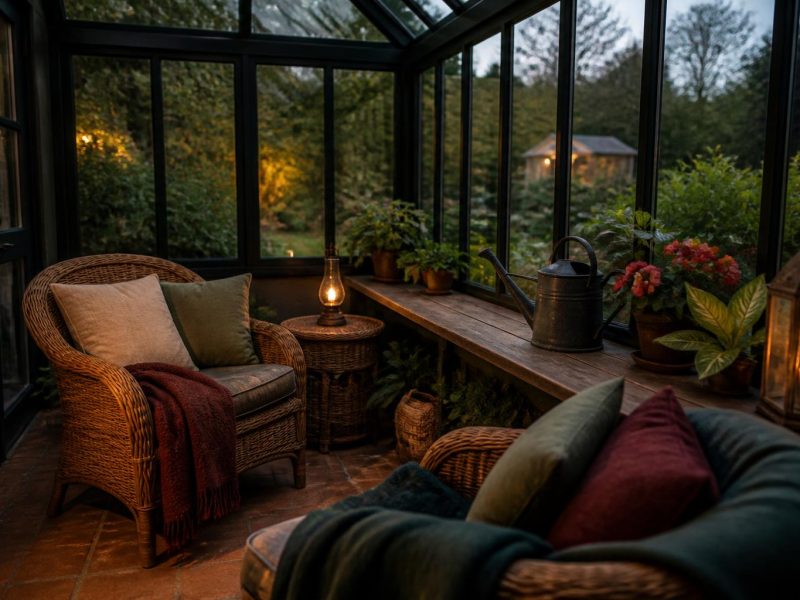
Select decor pieces that translate across environments: natural textures like jute or rattan, weather-friendly metals, and warm wood tones. Use mirrors or glass accents to reflect light between rooms and outdoors, creating a sense of expanded space. Layered lighting—soft, ambient indoors and warm, task-focused outdoors—produces a cohesive, inviting mood after dark.
Keep a consistent color story that travels from interior walls to outdoor furniture, perhaps a sand-and-olive palette or a navy-and-brass motif. Incorporate seasonal elements such as dried grasses in winter or airy linen throws in summer to maintain visual continuity. Thoughtful decor decisions tie together your interior and garden without feeling repetitive or mismatched.
Storage and Organization for a Tidy Home and Garden
Integrated storage systems help manage tools, pots, and seasonal decor, preventing clutter indoors and on the patio. Invest in weatherproof bins, a durable garden cart, and hooks for hoses or cords to keep spaces functional. Clear labels and a central plan-ahead zone reduce daily stress and free time for gardening and interior decorating projects.
Adopt a seasonal rotation schedule to keep gear accessible and relevant. Store cushions and textiles in breathable containers to avoid mildew, and place frequently used tools within arm’s reach of the area where they’re needed most. A disciplined approach to organization supports faster improvements and a calmer living environment both inside the home and outside in the yard.
Watering, Soil, and Sustainable Practices
Understand how soil structure affects plant health by conducting basic tests for drainage and nutrition. Build a small compost system or use ready-made compost to enrich beds rather than chemical fertilizers. Efficient watering strategies, such as drip lines or soaker hoses, conserve water while delivering moisture directly to roots, supporting robust growth with less waste.
Implement rain capture and mulching to regulate moisture and reduce maintenance. Choose drought-tolerant plantings for busy seasons and climate-appropriate species to minimize replacements. Sustainable routines, paired with mindful plant selection, yield long-term beauty and resilience in both interior and exterior landscapes.
Seasonal Maintenance Calendar for Year-Round Enjoyment
Develop a simple calendar that marks pruning windows, planting times, and decorative refreshes aligned with holidays and seasonal moods. Allocate time blocks for exterior cleaning, mulch refresh, and interior styling experiments to maintain momentum. A predictable rhythm keeps you engaged with both gardening and interior decor throughout the year.
Use a small journal or app to track what worked well, what needed more care, and what colors or textures you’d like to try next season. Documenting outcomes informs smarter home improvement decisions and fosters a sense of progress. Consistency—more than intensity—drives lasting satisfaction in both spaces.
Texture and Contrast in Your Outdoor Rooms
- Layer fabrics and materials to create depth: wicker, metal, wood, and stone.
- Introduce evergreen structure for year-round interest while rotating seasonal accents.
- Balance bold colors with neutral grounds to avoid visual fatigue.