Smart Steps for a Hidden Garden: Practical Home Improvement Meets Garden Design
A practical guide to blending interior style with outdoor charm, from plant placement to automated tools that simplify garden care.

Opening: A Practical Start to Home Improvement and Garden Joy
With spring in the air, a thoughtful approach to home improvement begins at the entry between indoors and outdoors. Clear sightlines, durable surfaces, and a cohesive color scheme set the tone for both interior and exterior spaces. For busy households, integrating smart tools like a dependable mower can save time while preserving the garden’s vitality, so consider a product such as awd robot lawn mower to help with routine maintenance as you plan. A well-lit, welcoming transition invites gardening energy into daily routines and reinforces decor consistency across rooms.
Begin with a simple assessment of how you move through spaces: from kitchen to patio, from living room to herb bed, and from porch to storage. This analysis becomes a blueprint for choosing furniture, planters, and textures that echo interior design principles while supporting outdoors. Practical decisions—like selecting weatherproof fabrics and sturdy planters—anchor the project in real use and minimize future upkeep, aligning home improvement with gardening goals.
Section 2: Planning for Durability and Aesthetic Harmony
Durability should guide every planning step, especially in high-traffic zones where footfall and weather intersect. Select materials with proven resistance to sun, rain, and temperature shifts, prioritizing textures that won’t show wear quickly. A cohesive palette that echoes interior tones helps unify spaces; when you repeat hues in cushions, planters, and trellises, the garden feels like an extension of the home, not a separate project.
Measure carefully to ensure furniture and pathways fit without crowding, allowing room for movement and seasonal plant rotations. Thoughtful spacing makes maintenance simpler, reduces accidental damage, and enhances the overall sense of calm. By mapping zones—entertainment, relaxation, and culinary herbs—you create a practical blueprint for ongoing care and a garden that remains aligned with interior sensibilities and decor ambitions.
Section 3: Plant Selection for Year-Round Interest
Choosing plants with complementary textures and forms creates visual interest across seasons. Pair glossy-leaved evergreens with fine-textured perennials to build depth, while native varieties reduce water use and boost resilience. Consider structural elements such as grasses or layered shrubs to give vertical rhythm, echoing architectural lines found inside the home and reinforcing decor cohesion.
Layer color thoughtfully; place bold foliage where it can be admired from living spaces, and reserve delicate blooms for moments when guests gather or you step outside to unwind. Group plants into small, repeatable clusters to simplify maintenance and create predictable patterns that guide the eye. This approach links interior color stories with exterior plantings, enhancing the sense of a unified home environment.
Section 4: Irrigation, Soil, and Sustainable Practices
Efficient irrigation begins with soil health and a plan that reduces waste. Test soil pH and texture to tailor amendments, then layer organic matter to improve structure and water retention. Installing a drip irrigation system can deliver targeted moisture with minimal evaporation, supporting lush plant growth while conserving resources and aligning with eco-friendly interior design values.
Mulching smartly preserves moisture and suppresses weeds, extending the life of plantings and keeping beds tidy for weeks. Regular soil checks and seasonal top-ups ensure nutrients remain available, helping perennials thrive year after year. Integrate rain barrels with a simple aesthetic touch so that harvest water can nourish planters while blending into the overall decor of outdoor spaces.
Section 5: Lighting and Ambience for Outdoor Rooms
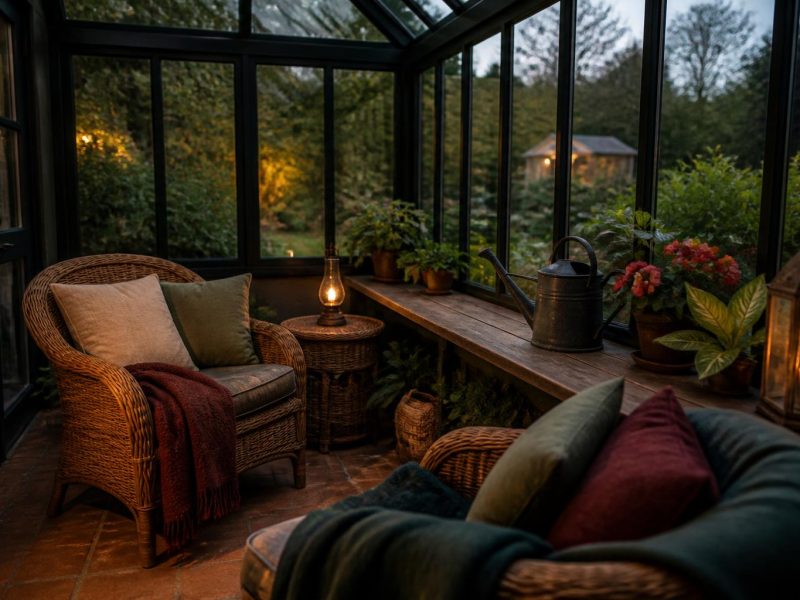
Lighting shapes mood as surely outside as it does inside, turning patios into functional rooms after dusk. Choose a mix of task, ambient, and accent lights to highlight focal plants, seating areas, and pathways. Warm, low-glow fixtures create a welcoming environment that mirrors living room lighting, making evenings in the garden feel like an extension of interior life.
Smart lighting can align with home automation systems, enabling schedules that align with daily routines. Dimmable options allow you to adjust energy use while preserving atmosphere, and weatherproof fixtures protect investments in décor and comfort. Thoughtful lighting design helps maintain a cohesive experience from indoor spaces to the garden, reinforcing the home’s overall aesthetic language.
Section 6: Seating, Access, and Functional Décor
Seating arrangements should invite conversation, flexibility, and easy access to the best garden views. Use modular pieces that can be rearranged for gatherings or quiet afternoons, pairing comfort with weather resistance. Add cushions in colors echoed from interior rooms to reinforce the decor narrative while withstanding sun and rain.
Decorative touches—such as mirrors to bounce light, water features for ambiance, and sculpture accents—should feel purposeful rather than cluttered. A simple rule is to place 60 percent functional furniture and 40 percent decorative elements to maintain balance. When scaled thoughtfully, outdoor furniture becomes an extension of the home’s interior style and a natural place for gardening conversations to occur.
Section 7: Maintenance Rhythm and Seasonal Transitions
Develop a cadence for tasks that matches your lifestyle, not a rigid calendar. A monthly check of plant health, pruning needs, and irrigation settings keeps the garden vibrant with minimal stress. Use a small, labeled toolkit for quick fixes—pulling weeds, adjusting trellises, or replacing worn textiles—so that gardening remains enjoyable rather than overwhelming.
Seasonal transitions are opportunities to refresh décor elements as well as plantings. Swap faded cushions, rotate containers, and rethink color accents to preserve harmony with interior decor. By treating the garden as a living room extension, you maintain a consistent aesthetic while honoring the practical demands of gardening and home improvement alike.