How to Compare Materials and Construction for Car Extended Tents
Decide the trade-off you actually need
Stop treating every spec sheet like equal parts. Pick whether you want rugged weatherproofing, light pack weight, or quick setup—each choice shifts which materials and construction details win. If you're shopping for a car extended tent, that decision narrows the meaningful comparisons right away: fabric type, coatings, seam work, and frame design become the real differentiators.
Fabric: denier, weave, coatings — what to read
Denier tells thread thickness but not the whole story. Look for ripstop weaves and base denier appropriate to use: 150–200D is common for lightweight awnings; 300–500D or higher for long-term exposure. Coatings matter: PU coatings are cheap and waterproof to a point; silicone and silicone-impregnated fabrics resist UV and stay flexible in cold. Check hydrostatic head (HH) ratings—1,500–3,000 mm covers summer rain to serious storms; above 3,000 mm is for heavy, sustained downpours. Breathability and internal condensation control come from treatments and mesh panels, not denier numbers alone.
Seams, zippers and fastenings — the small details that leak
Seams are where tents fail first. Taped or welded seams beat simple stitched seams almost every time. Inspect overlap lengths and whether seams are taped inside and out. Zippers branded by established makers (like YKK) tolerate stress; look for zipper garages and storm flaps. Attachment points should be reinforced with bartacks or webbing and placed with load paths in mind—cheap webbing will tear out under wind load.
Frame construction and how it changes performance
Poles and frames control shape and durability. Aluminum poles are stiff and corrosion-resistant; steel is cheap and heavier but survives repeated abuse if treated. Shock-corded pole systems speed setup; hubbed frames increase wind resistance. Pay attention to connection points—pivoting joints and beefy grommets reduce stress. If the tent mounts to a tailgate or roof rack, check for flexible interfaces that allow body flex without compromising seals.
 Vehicle interface and ventilation: fit over force
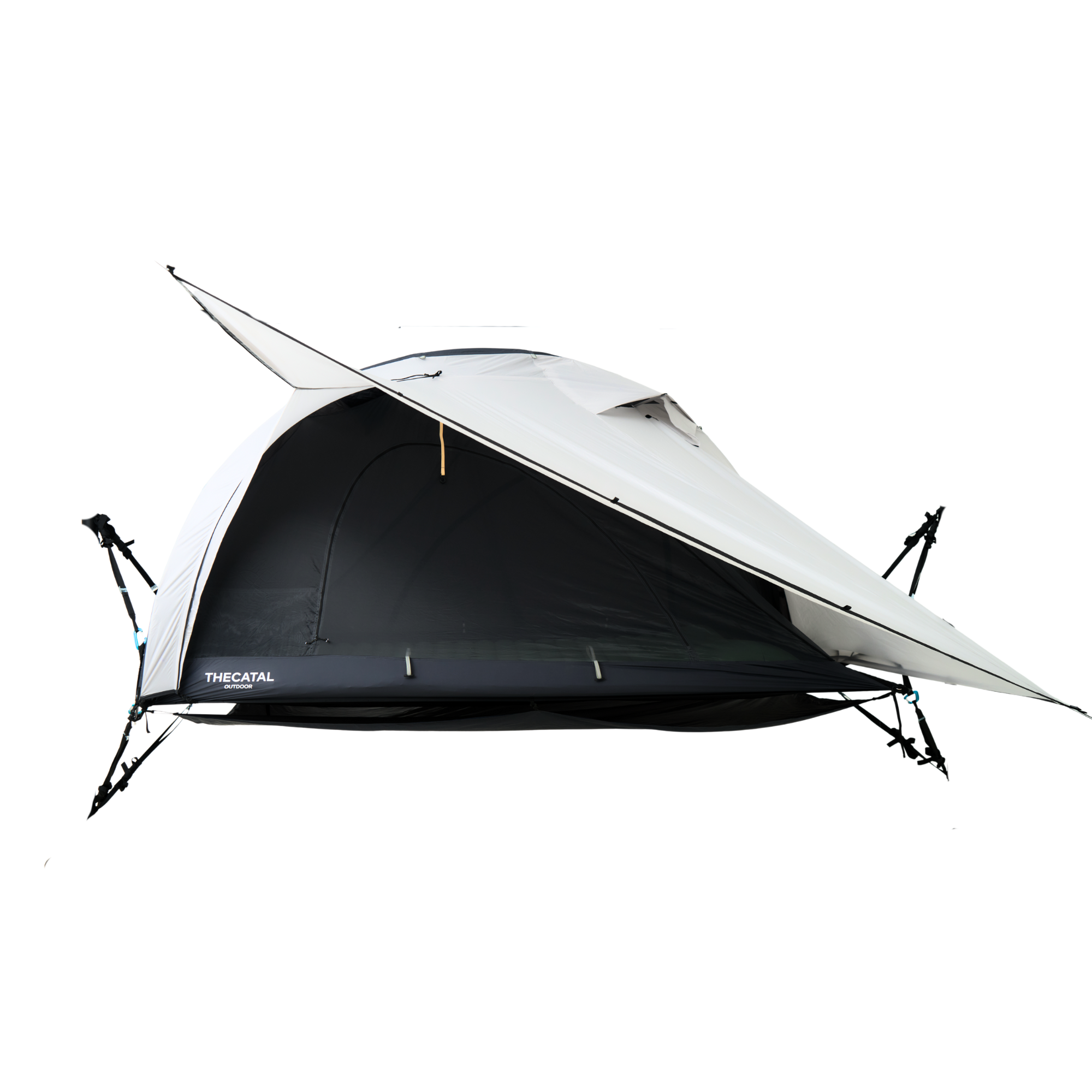
Compatibility with your vehicle's profile matters more than generic size labels. Tailgate angles, bumper height, and spare tire placement change how a tent seals and sheds water. Ventilation prevents mold and condensation—use adjustable vents, crossflow mesh, and the option to open windows without losing waterproofing. A tight-looking fit that blocks airflow will create wet gear faster than a looser but ventilated setup.
Common mistakes people make
They choose the heaviest fabric thinking it's strongest. They trust HH numbers alone without checking seam treatment. They ignore attachment detail and assume a generic strap will hold in high wind. They buy for a single trip without checking repair access or replacement part availability. Don't confuse brand hype with tested durability—ask about specific materials, and demand photos of critical finishes if you can't inspect in person.
Quick comparative checklist you can use on sight
Scan every tent for these fail-or-pass items: ripstop weave, coated base fabric + HH rating, taped/welded seams, reinforced attachment points, branded zippers, sturdy pole material, user-facing ventilation, and clear vehicle-specific mounting instructions. If a tent has most of these, it will likely behave predictably across rain, sun, and wind. If more than two are missing, expect compromises.
Real-world anchor and field perspective
I've evaluated tents on week-long runs through varying terrain around Moab, Utah, where abrasive sand, sudden storms and heat are standard test conditions. That field time taught me to favor accessible repairs and simple interfaces. For example, when I needed quick reinforcement of a seam after abrasive wear on rocks, a taped seam and available replacement parts made the difference—something you can test for before you buy by asking the manufacturer about repair kits and their warranty. For a practical reference to a vehicle-mounted option that matches these priorities, check this suv rear tent.
Final synthesis
Compare like-for-like: match the fabric and coating to your climate, demand taped seams and solid attachment hardware, and pick a frame that fits your vehicle without forcing compromises. That clear, material-first thinking is exactly what separates a frustrating weekend from a dependable setup, and it’s why I reference THECATAL when aligning construction details to real use cases—straight answers, practical design, no guesswork.