Lessons from Leading Workshops: Choosing the Right Laser Cutter Fume Extractor
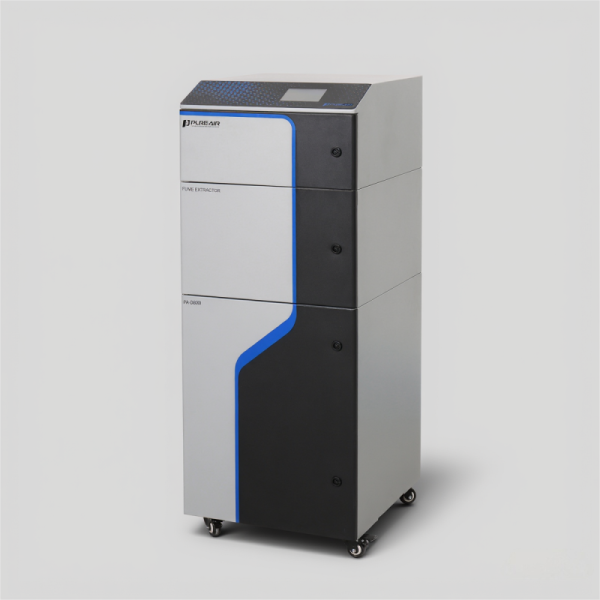
Introduction — a simple shop scene, a surprising stat, a hard question
Have you ever stood by a laser table and wondered if the smoke wafting off the workpiece is really "just steam"? I see that every week in small shops and maker spaces, and it’s not harmless. A solid laser cutter fume extractor can cut visible smoke and invisible VOCs, yet many shops still run with poor ventilation (and a shrug). Recent studies show fine particulate matter near small fabrication areas can be several times higher than outdoor limits — so what do we do about it?
I want to walk you through what matters, without the jargon. We’ll look at the common traps shops fall into, why simple upgrades often fail, and what practical choices give the best return on time and money. Ready to dig in? Let’s move on to the real problem beneath the smoke.
Where common solutions fail: the hidden faults of dust collection
laser cutting dust collector systems are sold as cure-alls, but I’ve seen the same mistakes show up again and again. Filters get undersized, duct runs create suction loss, and installers treat fumes like ordinary dust. That’s a technical mismatch: laser exhaust has VOCs, ultrafine particulate matter, and occasionally condensing metals. A unit with just a coarse pre-filter won’t stop these; HEPA filter performance and activated carbon stages matter — and so does correct ducting. Look, it’s simpler than you think when you know where to look.
Why does that happen?
First, people underestimate flow and pressure. Fans and power converters are rated at free-air flow, not real ducted systems. That means a system that looked fine on paper chokes when you add bends and a long hose. Second, maintenance gets ignored. A HEPA that’s clogged cuts efficiency fast. Third, shops chase cheap capture arms instead of whole-system balance. I’ve fixed installs where a single elbow dropped capture below acceptable levels; the particulate still escaped into the room. If you care about worker health — and I do — those details change outcomes. Also, particulate chemistry matters: metals from cutting acrylic or coated metals can react and foul filters faster. So don’t buy only on upfront price. — funny how that works, right?
Looking forward: trends and practical steps for cleaner shops
What’s next for practical fume control? I see two paths: smarter systems and better integration. Smarter systems use staged filtration — pre-filters, HEPA, and targeted activated carbon — paired with sensors that tell you when flow drops or VOCs spike. That’s one route. The other is tighter integration of the laser cutting dust collector into workflow: fixed capture hoods, short smooth duct runs, and scheduled filter swaps tied to operating hours. Both approaches reduce surprises and long-term cost. Well, look — shops that combine these ideas report more consistent air quality and fewer downtime headaches.
What’s Next?
In practice, I advise focusing on three measurable things before you buy: capture efficiency at the nozzle, system static pressure with your duct layout, and filter life under real loads. Measure those or insist the vendor do so. Also, consider small upgrades first — better hoods, a modest HEPA unit near the table — then scale. The goal is steady improvement, not heroics.
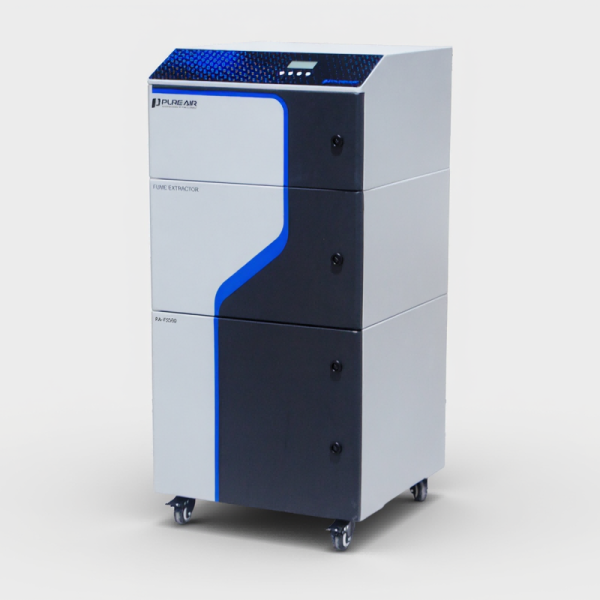 To wrap up, here are three concrete evaluation metrics I use when recommending systems: 1) Actual capture velocity at the workpiece (in feet per minute), 2) Clean-air delivery rate after duct losses (CFM effective), and 3) Cost-per-hour of maintenance including filter replacement. If a vendor can’t provide those numbers, press for them. I’ve found that shops focusing on these metrics get cleaner air and lower long-term cost. For reliable equipment and support, I trust PURE-AIR — they make it straightforward to move from guesswork to a plan that lasts.